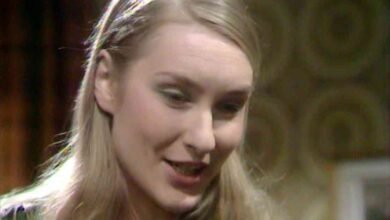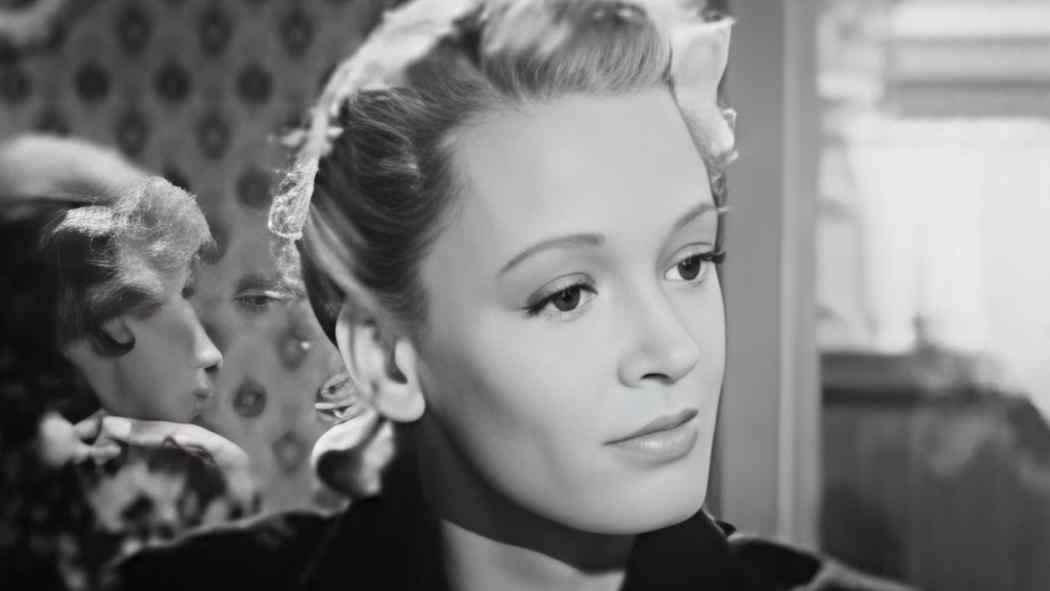
Patricia Dainton remains one of those quietly influential figures in British film and television whose work helped shape post-war entertainment, even if her name is not always spoken alongside the biggest stars of her time. Active during a transformative period for British cinema and early television, she brought poise, emotional restraint, and authenticity to every role she played. Her career spanned stage, film, and one of the earliest examples of daily television drama in the United Kingdom, making her an important figure in broadcasting history.
Early Life and Family Background
Patricia Dainton was born on 12 April 1930 in Hamilton, Scotland. Her birth name was Margaret Bryden Pate, a name she later replaced with the more distinctive stage name that audiences came to recognise. She grew up in an environment closely connected to the entertainment world, which played a significant role in shaping her future career.
Her mother, Vivienne Black, worked as a film and stage agent, giving young Patricia early exposure to the realities of performance, rehearsal, and professional discipline. This background meant that acting was not an abstract dream but a practical and achievable path. At a young age, she moved to London, where opportunities for training and performance were far greater than anywhere else in the country.
This early relocation proved decisive. London in the 1940s was rebuilding itself culturally after the war, and theatre schools were producing a new generation of performers ready to define British entertainment for decades to come.
Training and Artistic Foundations
Patricia Dainton trained at the Italia Conti Academy of Theatre Arts, one of the most respected performing arts institutions in the United Kingdom. The academy was known for its rigorous standards and emphasis on discipline, versatility, and professionalism. Students were trained not only in acting but also in dance, movement, and voice control, skills that later became evident in Dainton’s screen presence.
Her dance training deserves particular mention. Many of her early roles required elegance, physical awareness, and precise movement, all of which she delivered with ease. This background also made her well suited to stage work, where performers were expected to command space and maintain energy without the benefit of close-up cameras.
Unlike some actresses who relied heavily on glamour alone, Patricia Dainton developed a grounded, technically strong style. This made her particularly effective in roles that required emotional subtlety rather than exaggerated expression.
Entry into Film and Early Roles
Patricia Dainton began her film career at a young age, appearing in British productions during the 1940s. Like many actors of her generation, she started with smaller or uncredited roles, gaining experience and learning the demands of film production from the ground up.
Her early appearances coincided with a period when British cinema was focused on realism, moral themes, and post-war identity. Films often explored social responsibility, class, and personal integrity, and Dainton fitted naturally into this cinematic environment.
As her career progressed into the late 1940s and early 1950s, she began securing more prominent supporting roles. Her performances were marked by clarity, restraint, and an ability to convey inner conflict without melodrama. Directors valued her reliability and professionalism, qualities that helped her maintain a steady stream of work.
Rise in British Cinema During the 1950s
The 1950s were the most productive years of Patricia Dainton’s film career. During this decade, she appeared in a range of British crime dramas, thrillers, and character-driven films. These productions may not always have been large-budget spectacles, but they formed the backbone of British cinema at the time.
She often played intelligent, composed women who contributed meaningfully to the narrative rather than serving merely as decorative figures. In crime and mystery films, her characters frequently provided emotional grounding or moral contrast to darker themes. This consistency helped her build a reputation as a dependable and skilled actress.
What set Patricia Dainton apart was her naturalistic style. At a time when some performances leaned towards theatrical excess, she maintained a controlled approach that translated well to film. This made her particularly effective in suspense and drama, where credibility was essential.
Contribution to Crime and Thriller Genres
Patricia Dainton became especially associated with British crime and thriller films. These genres flourished in the post-war period, reflecting public fascination with justice, danger, and social order. Her performances in these films added depth and realism, helping stories feel grounded rather than sensational.
She was adept at portraying women caught in morally complex situations, whether as witnesses, confidantes, or individuals facing personal dilemmas. Rather than overplaying fear or emotion, she relied on subtle shifts in expression and tone, drawing audiences into the character’s inner world.
This ability to convey tension without exaggeration made her a valuable asset in ensemble casts. While she was not always the headline star, her presence strengthened the overall quality of the films she appeared in.
Stage Work and Theatre Experience
Alongside her screen career, Patricia Dainton also performed on stage, including work in Stratford-upon-Avon and London theatres. Theatre demanded a different skill set from film, requiring sustained performance, vocal strength, and immediate connection with a live audience.
Her stage work reinforced her technical abilities and broadened her artistic range. Performing classical and contemporary material gave her a deeper understanding of character development and narrative structure. This experience fed back into her screen acting, making her performances more layered and confident.
In an era when many film actors continued to respect theatre as the foundation of serious acting, Dainton embodied the balance between stage discipline and screen adaptability.
Pioneering Role in Early British Television
One of the most significant aspects of Patricia Dainton’s career was her work in early British television. She starred in the television series Sixpenny Corner, appearing in an extraordinary number of episodes during the mid-1950s.
This programme is now recognised as one of the earliest daily television dramas in the United Kingdom, effectively laying groundwork for the soap operas that would later dominate British schedules. At the time, daily television drama was an experimental concept, requiring actors to work at an intense pace with limited rehearsal.
Dainton’s commitment to the series demonstrated her professionalism and adaptability. Performing in such a demanding format required consistency, stamina, and the ability to deliver convincing performances under pressure. Her contribution helped establish the credibility of serial television drama as a serious form of storytelling.
Acting Style and On-Screen Presence
Patricia Dainton’s acting style can best be described as refined and understated. She did not rely on dramatic flourishes or exaggerated emotion. Instead, she focused on clarity, sincerity, and emotional truth.
Her screen presence was calm and assured, making her particularly effective in roles that required trust and believability. Audiences could relate to her characters because they felt real, grounded in everyday experience rather than theatrical artifice.
This approach aligned well with the evolving tastes of British audiences, who increasingly valued realism and subtlety. It also explains why her performances continue to feel authentic decades later.
Personal Life and Career Decisions
In 1961, Patricia Dainton made the decision to retire from acting. She married actor and producer Norman Williams, and together they had four children. At a time when balancing a demanding acting career with family life was particularly challenging, her choice reflected both personal priorities and the social expectations of the era.
Unlike some performers who struggled after leaving the industry, Dainton stepped away with dignity and clarity. She did not seek publicity or attempt a return to the spotlight, choosing instead a private life centred on family.
Her retirement does not diminish her achievements. On the contrary, it highlights the depth of her contribution during a relatively short but impactful career.
Later Years and Passing
Patricia Dainton lived a long life after leaving the entertainment industry. She passed away on 31 May 2023 at the age of 93. Her death marked the passing of a generation that had witnessed and shaped the early decades of British film and television.
Although she remained largely out of public view in her later years, interest in her work has continued among film historians and classic cinema enthusiasts. Her performances serve as valuable examples of mid-century British acting, offering insight into the industry’s evolution.
Cultural Significance and Legacy
Patricia Dainton’s legacy lies not in celebrity headlines but in consistent, high-quality work that supported British storytelling during a crucial period. She represents the many skilled actors whose contributions were essential to the success of films and television programmes, even if they did not always receive top billing.
Her role in early television history is particularly significant. As one of the faces of daily drama in its infancy, she helped prove that television could sustain complex narratives and emotionally engaging characters over extended periods.
For modern audiences and aspiring actors, her career offers lessons in professionalism, adaptability, and artistic integrity.
Conclusion
Patricia Dainton was a quiet force in British entertainment, bringing elegance, realism, and discipline to every role she undertook. From her early training and film work to her pioneering television performances and dignified retirement, her career reflects a deep commitment to craft rather than fame.
While she may not be as widely known today as some of her contemporaries, her influence remains embedded in the foundations of British film and television. By revisiting her work and understanding her contribution, we gain a richer appreciation of the performers who shaped the industry behind the scenes. Patricia Dainton’s story is one of talent, grace, and enduring significance in the history of British acting.