Ponden Kirk: The Enigmatic Brontë Landmark of Myth, Literature and Timeless Moorland Beauty

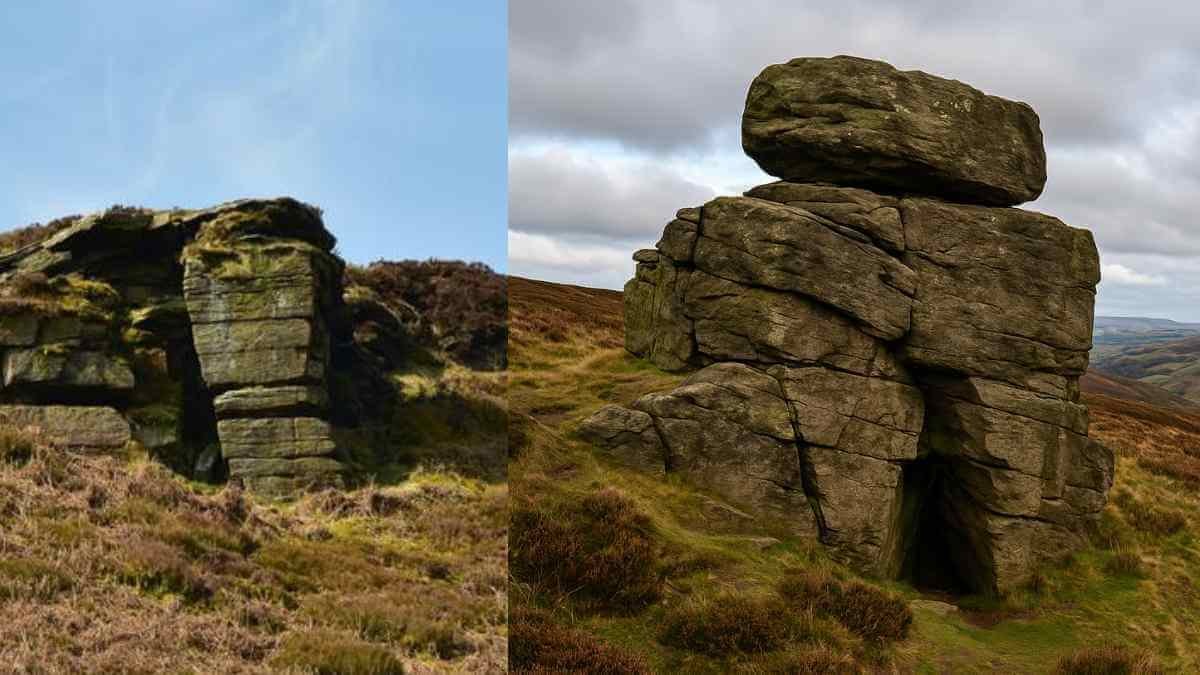
Ponden Kirk, a rugged gritstone outcrop on the windswept moors of West Yorkshire, stands as both a physical wonder and a literary emblem. This striking natural formation, located near the village of Stanbury and the Ponden Reservoir, is steeped in folklore, infused with the spirit of the Brontë sisters, and admired for its wild, untamed scenery. To explore Ponden Kirk is to step into a realm where history, myth and literature converge. It is a site that captures the imagination not merely because of its dramatic landscape, but also because of its deep association with Emily Brontë’s Wuthering Heights and the legends of love, fate and mystery that surround it.
The Setting and Natural Character of Ponden Kirk
Perched above the Ponden Clough and close to the Ponden Reservoir, Ponden Kirk is a dramatic gritstone outcrop shaped by centuries of natural weathering. The rock formation rises from the moor in layers of coarse, rugged stone, crowned by heather and grasses that change hue with the seasons. The moors of West Yorkshire are themselves iconic: wide open skies, rolling expanses of peat and heather, and the kind of lonely, elemental beauty that inspired the Brontë sisters in their writing.
From the vantage point of Ponden Kirk, sweeping views of the surrounding countryside stretch across the valleys. On clear days, the distant hills and patchwork fields create a scene that is both grand and intimate, while in mist or rain the outcrop takes on a brooding, almost supernatural presence. The weather on these moors is famously changeable. Sunshine can give way to sudden showers or fog, and the moody skies only enhance the site’s mystique. Visitors often remark that the shifting light and colour of the landscape lend the rock an ever-changing character, as though it belongs as much to myth as to geology.
The physical formation of Ponden Kirk is distinctive. A narrow cleft or cavity runs through its base—often called the “Fairy Cave” by locals—adding to the sense of intrigue. The gritstone, coarse to the touch and covered in lichens and moss, carries the marks of countless seasons of wind and rain. Standing close to the rock, one feels the power of the natural forces that have sculpted it over millennia.
Folklore and Local Legends
The most enduring legend of Ponden Kirk concerns the so-called “Fairy Cave,” the small opening through the base of the rock. According to local tradition, any maiden who can squeeze through this natural cleft will be married within a year. This simple yet evocative piece of folklore has drawn curious visitors for generations. Some attempt the feat as a light-hearted challenge; others treat it with more reverence, sensing that they are taking part in a ritual far older than the modern era.
This tale of marriage and fate echoes themes found in many rural traditions across Britain. Such legends often link natural landmarks to ideas of love, fertility or destiny. At Ponden Kirk, the union of rugged stone and soft heather becomes a symbol of nature’s own power to shape human lives. Whether one regards the story as an ancient fertility rite or simply a quaint local superstition, it enriches the site with a sense of living tradition.
Local people have passed the story down orally for centuries, and though times have changed, the belief retains a certain charm. It speaks of a time when communities looked to the land itself for signs and omens. For modern visitors, it offers a playful yet poignant connection to the lives and hopes of those who once walked these moors.
Ponden Kirk in the World of the Brontës
Ponden Kirk’s fame extends far beyond the boundaries of Yorkshire thanks to its association with the Brontë sisters, especially Emily Brontë. Literary scholars and local historians widely believe that Ponden Kirk inspired the “Penistone Crags” of Wuthering Heights, Emily’s masterpiece of passion and wild landscapes.
In the novel, Penistone Crags is described as a place of romantic rendezvous and childhood adventure, a site that embodies the untamed energy of the moorlands and the intense emotions of the characters. The similarities between the fictional crags and the real Ponden Kirk are striking. The natural cavity, reminiscent of a cave, matches the “fairy cave” mentioned in the book, while the surrounding moorland perfectly mirrors the dramatic setting of the story.
The Brontë family home at Haworth lies only a few miles from Ponden Kirk, and the sisters were known to roam these very moors. Their walks provided inspiration for the vivid landscapes that permeate their writing. It is easy to imagine a young Emily Brontë standing before the looming outcrop, absorbing its lonely grandeur and weaving it into the fabric of her novel. Today, admirers of the Brontës make pilgrimages to Ponden Kirk to see for themselves the landscape that shaped one of English literature’s greatest works.
Historical Context and Local Significance
Long before the Brontës wrote of it, Ponden Kirk held a place in local history. The name “kirk” itself means “church,” and while no church was ever built here, the word reflects the site’s long-standing aura of mystery and reverence. It is possible that the rock was once considered a sacred place by earlier communities, or at least a distinctive landmark used for gatherings or as a point of reference on the open moor.
The moors of Yorkshire have been inhabited and traversed for thousands of years, from prehistoric peoples to medieval shepherds. Landmarks such as Ponden Kirk often acquire layered meanings over time. What begins as a striking natural feature may gradually gather stories, rituals and names that reflect the evolving culture of the people who live nearby. Ponden Kirk’s mixture of natural beauty and folkloric tradition is a testament to this process.
Experiencing the Walk to Ponden Kirk
Reaching Ponden Kirk is itself part of the attraction. There are several walking routes, each offering a slightly different perspective on the moorland scenery. One popular path begins near Ponden Reservoir and climbs gently through heather and bracken. Another approaches from the direction of Top Withens, the ruin often associated with the Earnshaw home in Wuthering Heights.
The walk can be challenging in places. Weather on the moors can change suddenly, and the ground may become muddy or slippery after rain. Sturdy footwear and appropriate clothing are essential. Yet for those who make the journey, the reward is a sense of immersion in the same elemental landscape that inspired the Brontës. The sound of the wind, the calls of moorland birds, and the wide horizons create an atmosphere both invigorating and contemplative.
At the rock itself, visitors often pause to take in the view and, if they wish, attempt the traditional challenge of squeezing through the “Fairy Cave.” Whether or not one believes in the old promise of marriage, the experience of physically engaging with the rock deepens the sense of connection to the generations who have done the same.
Modern Appreciation and Conservation
In the twenty-first century, Ponden Kirk continues to attract walkers, literature lovers and those simply seeking the quiet drama of the moors. Local tourism organisations often highlight the site as part of the broader Brontë Country experience, alongside Haworth Parsonage and Top Withens. The rock’s enduring appeal lies in its ability to embody both the natural and the cultural history of the region.
Conservation of the moorland is an ongoing concern. These uplands are sensitive environments, home to a range of wildlife including curlews, lapwings and heather plants that bloom in late summer. Visitors are encouraged to respect the landscape, stay on marked paths and leave no trace of their presence. By doing so, they help preserve the unique character of Ponden Kirk for future generations.
Literary Pilgrimage and Cultural Resonance
For many visitors, a trip to Ponden Kirk is more than a scenic walk; it is a form of literary pilgrimage. To stand where Emily Brontë once stood, to gaze over the same moors that fuelled her imagination, is to feel a living connection with one of the greatest figures in English literature. The site’s resonance goes beyond mere geography; it becomes a bridge between past and present, between art and nature.
This sense of continuity is part of what makes Ponden Kirk so compelling. It is not simply a relic of the past but a living landscape where stories continue to unfold. The same winds that once whipped through Emily Brontë’s hair now stir the heather for today’s travellers, reminding them that the moors are timeless, their beauty and mystery undiminished.
Conclusion
Ponden Kirk stands as a singular meeting point of natural grandeur, folk tradition and literary heritage. Its gritstone crags, shaped by the relentless forces of wind and weather, command the moors with quiet authority. The legends of the “Fairy Cave,” promising marriage to those who can pass through, lend the site an air of enchantment that speaks to the oldest human instincts for wonder and meaning.
Through the imagination of Emily Brontë, Ponden Kirk has become immortalised as Penistone Crags in Wuthering Heights, ensuring that readers around the world continue to encounter its spirit in the pages of literature. Yet its true magic lies in the experience of the place itself: the solitude of the moors, the roughness of the rock beneath one’s fingers, and the sense of stepping into a story that is both ancient and ever renewed.