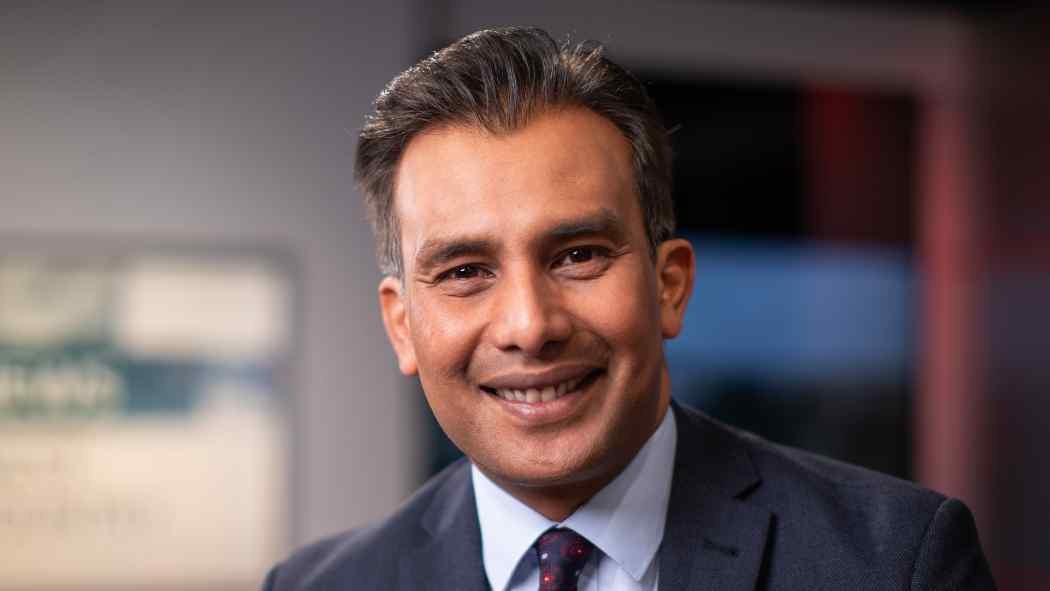
Sabet Choudhury is one of the most respected and admired names in British regional journalism. Known for his compassionate storytelling, genuine voice, and ability to connect with audiences, he has become a celebrated presenter in the United Kingdom. With a career that spans newspapers, radio, and television, Sabet’s story is one of resilience, determination, and triumph over adversity. His journalism is not driven by sensationalism or headlines alone, but by an authentic commitment to representing communities, sharing voices that are often ignored, and making news meaningful and relatable.
Early Life and Family Background
Sabet Choudhury was born in Bangladesh, but his life soon transformed when his family moved to the United Kingdom while he was still very young. His father was a surgeon and initially worked in Bury, Greater Manchester. These early years introduced Sabet to the challenges of resettling in a new country and adapting to a different culture. His family eventually moved to Gloucestershire when he was around eight years old. This move would play a vital role in shaping his identity and future aspirations.
Growing up in a small town in the West Country exposed him to both warm community experiences and moments of painful racism. He has openly discussed his childhood, explaining how he came to understand difference, identity and belonging. He was one of the few Asian children in his school and community, and faced comments and attitudes that made him feel separate. Yet these challenges did not crush him. Instead, they became an important part of his understanding of society and empathy.
Sabet has described how his earliest experiences developed his curiosity about people, their cultures and the stories behind their lives. These early influences became the foundation for his future as a journalist. He did not grow up imagining fame or television success. He grew up with a deep respect for community and a sensitivity towards others that would eventually shape his journalism.
Cricket also played an important role in his personal development. He joined a local cricket club as a young boy and this became a place of belonging. Through sport, he worked with teammates, built confidence and became more connected to his community. Years later, he still remains involved with cricket and values what it taught him: teamwork, resilience and unity.
Early Steps into Journalism
Before appearing on television, Sabet had humble beginnings in journalism. His professional journey began in the 1990s when he joined his local newspaper as a reporter. This early experience gave him an introduction to storytelling, writing and the importance of reporting real issues affecting everyday people.
His career progressed from print journalism to radio, where he worked for local and national stations. The world of radio helped him develop his broadcasting skills. It taught him how to deliver information clearly, engage audiences and speak in a natural and relatable style. His voice became a tool for communication and connection, and his talent soon attracted attention.
Many journalists dream of careers in London or on national platforms. Sabet, however, built his professional identity in the regions of Britain. His work was grounded in the realities of life outside major metropolitan centres. This unique perspective became one of his greatest strengths. Rather than chasing celebrity or fast-paced national news, he focused on issues that mattered to local people. His journalism was rooted in the reality of communities, families, everyday lives and ordinary heroes.
Television Breakthrough at the BBC
The major turning point in Sabet’s career came when he joined the BBC as a reporter. His talent and dedication soon made him one of the most recognisable presenters for BBC Points West, the evening news programme for the West Country. Over the years, he reported across a wide range of topics and became a respected voice in regional broadcasting.
His work at the BBC was not limited to daily news. He contributed to documentaries, feature reports and national programming. His passion for human stories allowed him to create content that was emotional, inspiring and honest. Whether covering serious social issues, humorous features or local traditions, Sabet always brought authenticity to his role.
One of his most heartfelt contributions to journalism was his coverage on organ donation and minority health awareness. This subject was personal to him. In an extraordinary act of courage, Sabet donated one of his kidneys to his mother when she became critically ill. This decision was life-changing. Although his mother later passed away, his experience inspired him to help raise public awareness about the importance of organ donation, particularly within ethnic minority communities.
As a result, his journalism went beyond simple reporting. It carried a deeper purpose. It was built on lived experience and compassion.
Moving to ITV and Continuing His Mission
In 2022, Sabet joined ITV News West Country as one of their main presenters. This move marked the beginning of a new chapter. He stepped into a programme watched by thousands every day and immediately brought his warmth, confidence and dedication to the newsroom.
While some journalists focus on moving to national platforms, Sabet remained loyal to the West Country. This choice shows his commitment to the places and people that shaped him. He did not chase the glamour of London broadcasting. Instead, he continued telling the stories that matter most to his region.
At ITV, he has maintained the qualities that define him: empathy, humour, balance and professionalism. His work continues to give a voice to local communities, social issues and regional identity.
Storytelling with a Purpose
One of the reasons why Sabet stands out is his commitment to storytelling with meaning. His journalism is not simply about facts or timelines. It is about people and the power of human experience. He has covered stories about mental health, racism, community struggles, migration and injustice. His reports encourage viewers to think differently and understand issues more deeply.
He is equally comfortable presenting light-hearted or community-focused stories. Whether he is covering a local festival, a village tradition or a sports event, he approaches every assignment with the same enthusiasm and respect.
His journalism has always been driven by a desire to create understanding. He pushes boundaries not with sensationalism or controversy, but with authenticity and truth. His stories bring communities together and highlight the richness of life in the West Country.
Identity, Representation and Impact
Sabet Choudhury represents more than a successful presenter. He represents change, diversity and representation in the British media industry. As a British-Bangladeshi presenter, he has opened doors for others who do not always see themselves on screen. His presence challenges stereotypes and shows that the industry must reflect all communities.
He has been outspoken about inequality, discrimination and identity. His own experiences have given him a unique voice. He speaks for those who feel unheard and unseen. He understands the importance of stories that explore belonging, cultural heritage and identity. His success shows that diversity strengthens journalism rather than divides it.
Personal Strength and Resilience
Sabet’s story is one of strength. His decision to donate a kidney to his mother was an act of extraordinary love and sacrifice. Even after losing her, he continued his work and used his experiences to support others. This level of emotional courage is rare.
His life teaches a powerful lesson: adversity does not have to defeat us. It can also shape our purpose and our path. Instead of allowing painful experiences to limit him, he fuelled them into advocacy and storytelling.
Why Sabet Choudhury Matters
Sabet matters because he brings humanity into the news. He treats journalism as more than a profession. It is a service to the community, a voice for change and a tool for understanding. His work demonstrates that true journalism is not about ego or fame. It is about representation, compassion and truth.
He has become a powerful symbol of what modern British journalism can achieve when it is rooted in integrity and diversity. His career is proof that regional news remains essential. It connects people, celebrates communities and highlights issues that would otherwise remain hidden.
Conclusion
Sabet Choudhury stands today as one of the most influential regional presenters in the United Kingdom. His life and career represent a unique blend of cultural identity, personal resilience, storytelling and compassion. From his childhood in Bangladesh and Gloucestershire to his success at the BBC and ITV, he has never lost touch with the values that shaped him.
His story is inspiring not because of fame, but because of authenticity. He represents the true power of journalism: to share voices, tell stories that matter, and make a difference in the world. He is not just a presenter. He is a role model, a storyteller and a voice for communities. And his journey continues to shape the future of British broadcasting.