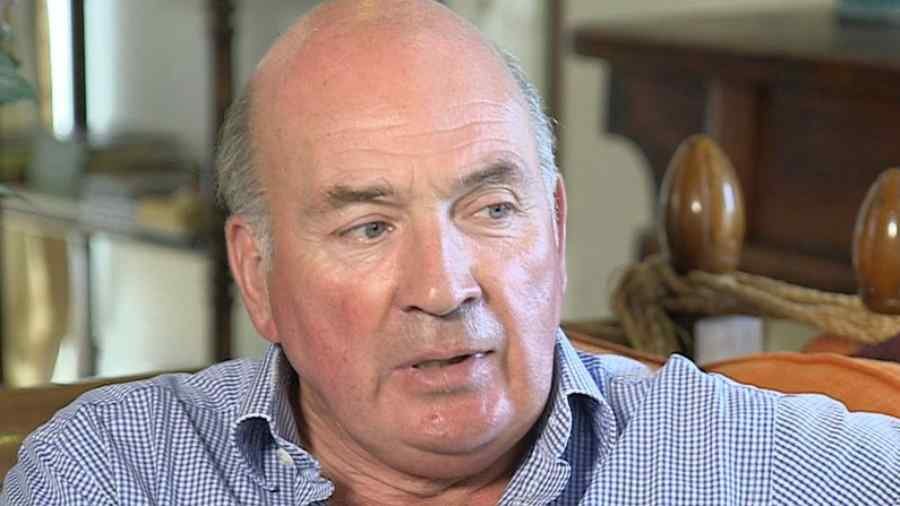
The name Richard Dannatt stands tall in the annals of British military history. Known for his courage, faith, and integrity, General The Lord Richard Dannatt has become a symbol of leadership rooted in principle and compassion. From his early days as a young officer in Northern Ireland to his tenure as Chief of the General Staff (CGS) — the highest professional rank in the British Army — his life reflects service, resilience, and moral conviction.
Early Life and Education
Richard Dannatt was born on 23 December 1950 in Broomfield, near Chelmsford, Essex, England. Coming from a family of professionals — his father and grandfather were architects, and his mother was a part-time teacher — he was raised with discipline and strong values. His early education took place at Felsted Junior School, followed by St Lawrence College in Ramsgate, where he first tasted the spirit of leadership through the Combined Cadet Force.
Although his initial ambition was to become a barrister, his rejection from Cambridge University changed his life’s direction. The disappointment soon became a turning point, pushing him toward the British Army — a path that would ultimately define his destiny. His passion for service, combined with his strong faith and sense of duty, laid the foundation for an extraordinary career.
The Beginning of a Military Career
In 1971, Richard Dannatt was commissioned into the Green Howards, a historic infantry regiment of the British Army. His early career coincided with the violent unrest in Northern Ireland, known as The Troubles. Serving in East Belfast, he displayed immense bravery, leading his men through challenging and dangerous missions. On 7 February 1972, his courage in combat earned him the Military Cross, one of Britain’s most prestigious awards for gallantry.
However, his early career was not without hardship. In 1977, at only 26 years of age, he suffered a near-fatal stroke, which left him partially paralysed. Doctors told him that he might never walk or serve again. But Dannatt’s resilience, faith, and sheer determination helped him recover and return to active duty. This personal battle against adversity became a cornerstone of his leadership philosophy — proving that true strength lies in perseverance.
Rise Through the Ranks
Richard Dannatt’s leadership potential was evident early in his career. After his recovery, he continued to climb the military hierarchy, commanding at multiple levels — from company commander to battalion and eventually brigade and division commands. He led the 4th Armoured Brigade in 1994 and later commanded the 3rd Mechanised Division, one of the Army’s key formations.
During these commands, he was involved in major operations across Bosnia, Kosovo, and other conflict zones, gaining first-hand experience of modern warfare’s complexity. His ability to blend operational efficiency with genuine care for his troops distinguished him from many of his contemporaries. Soldiers saw him not only as a capable commander but also as a leader who listened — a quality that would later define his tenure as Chief of the General Staff.
Chief of the General Staff: A Voice for the Soldiers
In 2006, Richard Dannatt reached the pinnacle of his military career when he was appointed Chief of the General Staff (CGS) — the professional head of the British Army. His time as CGS was marked by openness, moral courage, and a willingness to speak out on controversial issues.
At the time, Britain was heavily engaged in wars in Iraq and Afghanistan, stretching resources to the limit. Dannatt became a vocal advocate for the welfare of soldiers and their families. He argued that troops were under-equipped and overextended and insisted that the government owed them proper support. His candid interviews about the moral and practical strains on the Army were groundbreaking, breaking the traditional silence of senior officers on political matters.
Many hailed him as “the soldiers’ general” — a leader who dared to say what others would not. He called for better living conditions, improved mental health support, and fairer treatment of veterans. His advocacy for soldiers’ welfare influenced policy discussions and brought national attention to issues that were often ignored.
A Leader Guided by Faith and Integrity
A defining feature of Richard Dannatt’s life is his Christian faith, which became deeply personal after his stroke in 1977. He has often spoken about how faith helped him find purpose and strength during difficult times. Unlike many leaders who separate personal belief from professional life, Dannatt integrated faith into his leadership style, emphasising compassion, service, and ethical conduct.
He believed that good leadership was not only about strategy or command but also about moral authority. His decisions often reflected this belief — balancing military objectives with humanity and respect for life. In an era where politics often overshadowed principles, Dannatt’s approach brought a refreshing sense of sincerity and moral clarity to military leadership.
Retirement and New Roles
After retiring from the Army in 2009, Richard Dannatt continued his commitment to public service. He was appointed the 159th Constable of the Tower of London, a historic ceremonial role that further reflected the nation’s trust and respect for him.
In January 2011, he was made a life peer with the title Baron Dannatt of Keswick in the County of Norfolk, taking a seat in the House of Lords as a crossbench peer. In Parliament, he remained active in discussions related to defence, veterans’ welfare, and ethical governance.
He also authored several books, including his autobiography Leading from the Front (2010) and Boots on the Ground: Britain and Her Army Since 1945 (2016). These works not only highlight his professional experiences but also provide deep insights into the philosophy of leadership and the evolution of the modern British Army.
Advocacy for Veterans and Modern Defence Issues
Beyond his parliamentary role, Dannatt has remained a passionate advocate for military veterans and their families. He has worked with organisations like Help for Heroes and supported campaigns focusing on mental health, post-traumatic stress disorder (PTSD), and reintegration of ex-service personnel into civilian life.
He frequently comments on defence strategy and Britain’s role in global security, urging the government to maintain robust yet ethical military policies. His public addresses and writings often emphasise the importance of learning from history, strengthening morale, and never underestimating the human cost of war.
Challenges and Public Scrutiny
Like many influential figures, Richard Dannatt’s career has not been without controversy. In 2025, reports surfaced about a House of Lords investigation into allegations that he offered to arrange meetings with government ministers for commercial interests. While he defended his conduct, the episode served as a reminder of the scrutiny that comes with public life.
Yet, even amid criticism, his integrity and lifelong service record have preserved his reputation as one of Britain’s most principled military leaders. Those who served under him continue to express deep respect for his honesty and empathy — traits that are often rare in positions of power.
Personal Life and Values
Richard Dannatt married Philippa (Pippa) Gurney in March 1977, and together they raised four children. One of their sons followed in his footsteps by joining the Grenadier Guards, continuing the family’s military tradition.
His personal life reflects the same humility and devotion seen in his professional journey. He has often spoken about how his wife’s support and his Christian beliefs helped him endure the pressures of leadership and public service. Despite his high rank and honours, he has always remained approachable, grounded, and committed to serving others.
Leadership Lessons from Richard Dannatt
Richard Dannatt’s life provides timeless lessons for leaders in every field. His approach to command and decision-making was rooted in authenticity, empathy, and accountability. Some key leadership takeaways from his journey include:
- Lead with Integrity: Leadership is not about authority but about moral courage.
- Value People: The welfare of your team should always come before personal gain.
- Embrace Adversity: Challenges build resilience and character.
- Serve with Purpose: True leadership is about serving others, not being served.
- Speak Truth to Power: Honesty, even when unpopular, is the foundation of real progress.
These principles have made Dannatt a respected figure not just in the military but also in politics, education, and public discourse.
Legacy and Influence
The legacy of Richard Dannatt extends beyond the barracks and battlefields. His tenure reshaped how the British public viewed its soldiers and how leaders viewed responsibility. He proved that moral conviction can coexist with military command and that transparency and faith can strengthen, not weaken, leadership.
Today, his writings, speeches, and mentoring continue to inspire a new generation of officers and public servants. In an age often marked by political expediency, his life reminds us that true leadership is defined by conviction, compassion, and character.
Conclusion
Richard Dannatt remains a towering figure in modern British history — a soldier, commander, peer, author, and humanitarian. His story is one of courage under fire, recovery against all odds, and leadership guided by faith and conscience. From the streets of Belfast to the halls of Westminster, his influence continues to shape the moral and strategic dimensions of the nation’s defence.