Bower Hinton is a small yet historically rich village in Somerset that quietly reflects the layered story of rural England. Tucked close to the market town of Martock, this settlement has evolved over centuries while retaining a strong sense of identity, community, and continuity. From its medieval roots and agricultural heritage to its modern village life, bower hinton offers an insightful example of how English countryside communities endure and adapt without losing their character.
Understanding Bower Hinton’s Origins
The origins of bower hinton are deeply tied to the wider history of Somerset, a county known for its fertile land, ancient settlements, and enduring rural traditions. The name itself reflects Old English influences, with “bower” often associated with a dwelling or sheltered place, and “hinton” commonly meaning a farm or settlement.
Historically, bower hinton functioned as a small agricultural hamlet. Its proximity to Martock meant it was never isolated, yet it maintained a distinct local identity. For centuries, farming defined daily life, social structure, and economic survival. Generations of families worked the same land, creating a continuity that still shapes the village today.
The Historical Relationship with Martock
Bower hinton has long been linked administratively and socially with Martock. While Martock developed as a more prominent market town, bower hinton remained quieter and more rural. This relationship allowed villagers to benefit from trade, services, and religious institutions nearby while preserving a close-knit settlement of their own.
Church records, land deeds, and parish histories show that bower hinton residents were deeply integrated into the wider local economy. Seasonal labour, shared festivals, and communal obligations tied the two places together without erasing their differences.
Landscape and Natural Setting
One of the defining features of bower hinton is its landscape. Set within gently rolling countryside, the village is surrounded by fields, hedgerows, and farmland that have changed little over time. This natural setting has always been central to life in bower hinton, shaping not only livelihoods but also the pace and rhythm of daily existence.
The Somerset countryside provides fertile soil, making the area ideal for crops and grazing. Traditional field boundaries, narrow lanes, and open skies contribute to a sense of calm and continuity. For residents, the land is not just scenery but a living reminder of generations who worked and depended upon it.
Traditional Architecture and Built Heritage
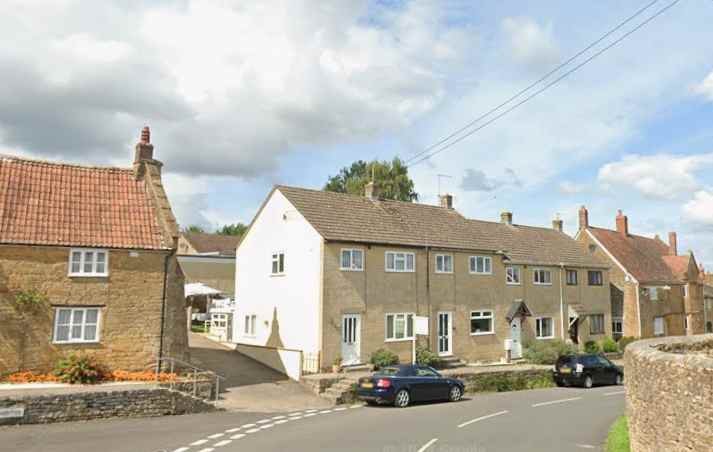
Bower hinton’s architecture reflects its rural roots. Many buildings feature local stone, traditional brickwork, and modest designs typical of West Country villages. Farmhouses, cottages, and outbuildings often date back several centuries, with later adaptations that show how homes evolved to meet changing needs.
Farmhouses and Agricultural Buildings
Historic farmhouses in bower hinton stand as markers of agricultural prosperity and endurance. These structures were designed for practicality, with thick walls, small windows, and layouts suited to both family life and farm management. Nearby barns and storage buildings reveal how farming shaped the physical layout of the village.
Residential Development Over Time
While bower hinton has seen limited modern development, newer homes have been added with care to maintain the village’s character. This balance between preservation and progress is one reason the village has avoided overdevelopment while remaining a viable place to live.
Community Life in Bower Hinton
Despite its size, bower hinton has always fostered a strong sense of community. Social bonds formed through shared work, religious practice, and local traditions. Even as farming became less dominant, community spirit remained central to village life.
Local Gatherings and Traditions
Historically, seasonal events such as harvest celebrations brought villagers together. These occasions were not only practical but deeply social, reinforcing cooperation and mutual support. While modern life has changed how people gather, community events still play an important role in maintaining local connections.
The Role of Local Institutions
Small villages like bower hinton rely on nearby institutions, including chapels, parish councils, and shared facilities. These institutions provide structure, representation, and a sense of belonging, ensuring residents have a voice in local affairs.
Economic Shifts and Modern Adaptation
The economic life of bower hinton has evolved significantly. While agriculture remains present, many residents now work in nearby towns or remotely. This shift reflects wider changes across rural England, where traditional industries coexist with modern employment patterns.
Bower hinton has adapted without losing its rural essence. Improved transport links and digital connectivity have made it possible for people to live in the village while working elsewhere, contributing to its sustainability.
Bower Hinton in the Contemporary Context
Today, bower hinton represents a blend of past and present. It is not a tourist hotspot or a commercial centre, but rather a lived-in village where history is part of everyday life. This authenticity is one of its greatest strengths.
Residents value privacy, continuity, and the slower pace of rural living. At the same time, access to nearby amenities ensures that living in bower hinton does not mean isolation.
Housing and Population
The population of bower hinton remains relatively small, which helps preserve its character. Housing demand reflects a desire for countryside living without the pressures of large-scale development. Careful planning has ensured that growth does not overwhelm the village’s infrastructure or identity.
Environmental Awareness
Modern awareness of environmental issues has renewed appreciation for the countryside around bower hinton. Conservation of hedgerows, wildlife habitats, and agricultural land is increasingly important, aligning with traditional stewardship values long practised by local families.
Cultural and Historical Significance
Although bower hinton may not appear prominently in national history, its significance lies in representing thousands of similar English villages. These communities collectively shaped the nation’s agricultural, social, and cultural foundations.
Studying places like bower hinton offers insight into how ordinary people lived, worked, and adapted over centuries. The village stands as a reminder that history is not only made in cities and grand institutions but also in quiet rural settlements.
Why Bower Hinton Still Matters
Bower hinton matters because it embodies continuity. In a rapidly changing world, it demonstrates how tradition and adaptation can coexist. The village’s survival is not accidental but the result of careful balance, community resilience, and respect for place.
For those interested in rural heritage, local history, or sustainable living, bower hinton offers valuable lessons. Its story is understated but deeply relevant, reflecting broader patterns in English life.
FAQs
Where is bower hinton located?
Bower hinton is located in Somerset, close to the market town of Martock, within a traditionally agricultural part of the county.
Is bower hinton a historic village?
Yes, bower hinton has medieval origins and a long agricultural history that continues to shape its character today.
What is life like in bower hinton today?
Life in bower hinton is quiet and community-focused, combining rural living with access to nearby towns and modern amenities.
Does bower hinton still rely on farming?
While farming remains part of the landscape, many residents now work in nearby towns or through modern, non-agricultural occupations.
Why is bower hinton significant?
Bower hinton is significant as an example of a traditional English village that has preserved its identity while adapting to modern life.
Conclusion
Bower hinton stands as a subtle yet powerful example of England’s rural heritage. Its history, shaped by agriculture, community, and connection to the land, continues to influence village life today. Rather than fading into obscurity, bower hinton has adapted carefully, preserving its character while embracing necessary change. In doing so, it reminds us that small villages play a vital role in the cultural and historical fabric of the country, offering continuity, identity, and a sense of belonging that remains deeply valued.