Ewen Solon: A Distinguished Actor Whose Craft Shaped Mid-Century British Cinema and Television

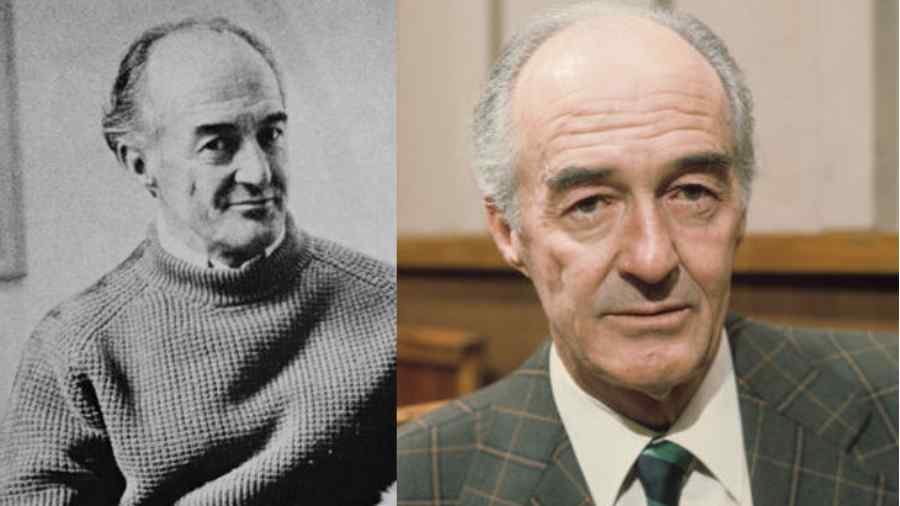
Ewen Solon was a talented actor who built a remarkable and enduring career across British film, television and theatre during the mid-twentieth century. Although not always cast in leading roles, his performances carried a strong sense of authenticity and emotional depth. His characters felt lived-in rather than performed, and he demonstrated a level of craft that comes only from discipline, real-world experience and professional training. Over time, he became a familiar face on screens across Britain and beyond, leaving a legacy that still deserves recognition.
Early Life and Background
Ewen Solon, originally named Peter Ewen Solon, was born on 7 September 1917. His upbringing in New Zealand exposed him to a wide range of working environments. Before entering the world of acting, he held various jobs, including manual labour and sales work. This early period of life grounded him in the realities of everyday people, something that later became one of the strongest qualities in his performance style. He understood the mannerisms, speech and inner worlds of ordinary men, and that familiarity helped him create characters who felt credible rather than theatrical.
His initial career path was not in acting but in education. Solon trained as a schoolteacher and spent time teaching. The skills required in teaching, such as clear communication, confidence in front of groups and the ability to convey meaning through tone and expression, no doubt strengthened his ability to perform effectively on stage and screen later in life.
Military Service and Life-Changing Turning Point
The Second World War brought significant changes to many people’s lives, and Solon was no exception. He served in the Second New Zealand Expeditionary Force in the Middle East, gaining experiences that shaped both his worldview and his artistic perspective. It is often noted that his performances carried an air of composure and controlled intensity, qualities frequently associated with individuals who have confronted real-world stakes and responsibility.
When the war ended, Solon returned to civilian life with a renewed sense of direction. He knew he did not wish simply to resume his previous career. He was drawn to acting, perhaps because of the emotional expressiveness it allowed, or perhaps because service during wartime often leads people to seek meaningful creative work. The rehabilitation programme available to returning servicemen provided him with the opportunity to travel to the United Kingdom and formally study drama. This moment became a defining step in his future career.
Dramatic Training and the Foundation of a Performer
Once in the United Kingdom, Solon trained in professional acting techniques, developing voice control, character study skills and emotional range. This training was crucial, because although natural presence is valuable, the actors who endure are those who can consistently repeat and refine their craft across changing roles and production styles.
His early professional work came through repertory theatre, a demanding and rigorous environment. Repertory actors often learn and perform multiple plays in close succession, sometimes rehearsing one production during the day while performing another at night. This work develops strong memory, adaptability and resilience. It also helps actors learn how to collaborate effectively within an ensemble, a skill that later made Solon a reliable supporting actor on screen.
Transition into Film and Television
By the late 1940s and early 1950s, Solon was gaining film roles. His natural, understated approach to acting fitted particularly well with the tone of British cinema at the time, which favoured sincerity over theatrical exaggeration. He appeared in war films, period pieces, thrillers and historical dramas. One of his most memorable film performances came in the adaptation of The Hound of the Baskervilles, in which he played a pivotal character with intelligence and subtle tension.
However, the role that firmly established his place in the minds of British audiences was Sergeant Lucas in the long-running television series Maigret. Solon appeared in nearly every episode, becoming a dependable presence alongside the lead character. His portrayal of Lucas was defined by steady intelligence, loyal support and thoughtful expression. This role was significant not only for the length of time it was sustained, but also for the way it displayed his ability to communicate character through gentle nuance rather than dramatic flourishes.
Distinctive Acting Style and Strengths
Ewen Solon was not an actor who sought to dominate the screen through grand gestures or loud emotional displays. His talent lay in controlled subtlety. He understood that a slight shift of expression or a measured pause in dialogue could speak more powerfully than raised voices or exaggerated gestures.
Several key strengths defined his performances:
Natural presence: His characters felt believable because he drew on real-life observation and experience rather than imitation.
Authority and composure: His military background made him particularly suited for roles involving officers, detectives, inspectors and statesmen. He carried an effortless air of discipline.
Emotional restraint: He was skilled at expressing tension or inner conflict through quiet detail. He did not oversell emotion, and this gave his characters depth.
Adaptability: He comfortably moved between genres and historical periods. This versatility allowed him to sustain a long and varied career.
Career Longevity and Later Work
Solon continued to work steadily throughout the 1960s and 1970s. He also appeared in international productions and took roles that required travel, demonstrating his openness to varied creative environments. His commitment to professional discipline meant he remained a valued actor among directors and colleagues. He was known for reliability, focus and respect for the collective nature of production work.
His film and television work later in life maintained the same quality and clarity he had shown from the start. Even smaller roles carried weight when performed by him, because he approached every character as an individual worth understanding.
Personal Qualities and Reputation
Those who worked with Solon often spoke of his calm professionalism. He did not seek attention off-screen and carried himself with quiet dignity. He valued preparation, collaboration and respect for the story being told. The lack of unnecessary vanity in his approach gave his performances a refreshing honesty.
His multicultural experiences, having grown up in New Zealand and worked extensively in the United Kingdom, gave him an adaptable cultural perspective. This likely contributed to his ability to perform convincingly in diverse roles.
Legacy and Continuing Relevance
Even though Ewen Solon’s name may not be instantly recognisable today, his work remains meaningful. He represents the archetype of the dedicated career actor: the performer who may not always be the star of the film, but who ensures the story is grounded, believable and emotionally consistent. Without actors like Solon, cinema and television would lose their realism and depth.
Modern audiences revisiting mid-century British film and television will encounter his work again and again. His performances reward attention and demonstrate how subtle acting can be more compelling than theatrical intensity.
Conclusion
Ewen Solon’s career stands as a testament to discipline, resilience and artistic integrity. From his early life in New Zealand to his military service, from his intensive theatre training to his decades of film and television work, he approached every task with commitment and care. His characters were shaped by understanding rather than mere technique, and his performances carried an authenticity that continues to resonate.
His legacy reminds us that the strength of cinema and television lies not only in leading stars but also in the skilled actors who bring richness and truth to supporting roles. Ewen Solon was one such actor, and his contribution remains both admirable and enduring.